
Uncovering Your Artistic Voice: A Journey Through Creative Storytelling
- Heidi Cogdill
- Aug 20, 2024
- 4 min read

Hello, creative friends!
Art is a powerful storytelling medium, allowing us to share our experiences, dreams, and emotions in a unique and personal way. Today, I’m excited to share some tips and techniques to help you find your voice and tell your own stories through art.

1. Start with What Inspires You
Every story begins with a spark of inspiration. But what if that spark feels elusive? Instead of waiting for a lightning bolt of creativity, cultivate a habit of mindful observation. Notice the small, often overlooked details in your surroundings—an old, worn-out object, the patterns in a cracked sidewalk, or the way light filters through leaves. These seemingly mundane moments can become powerful symbols in your art.
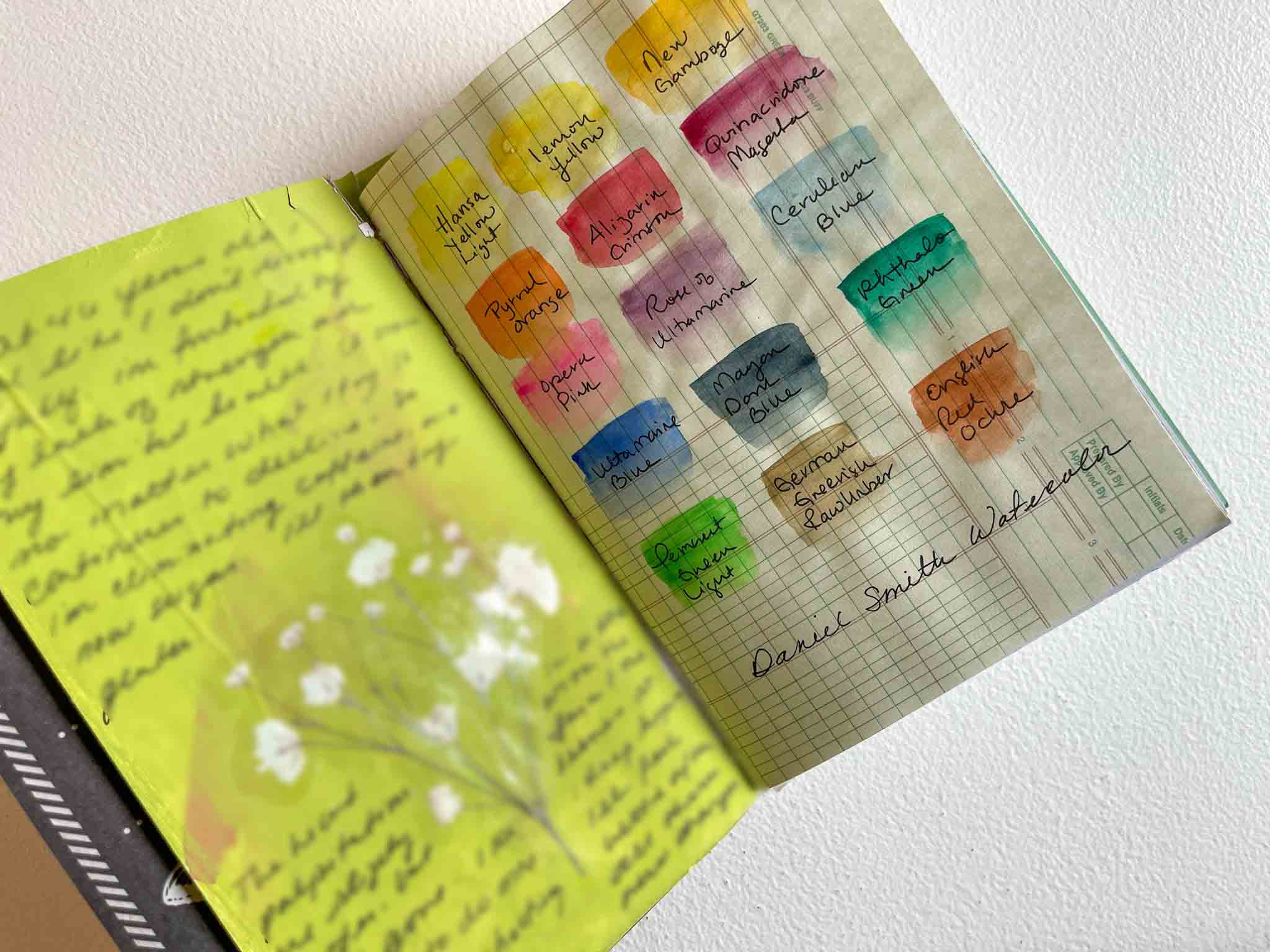
A practical tip: keep a visual journal where you collect these snippets of inspiration. Sketch, photograph, or write about them. Over time, you’ll have a treasure trove of material to draw from, helping you to craft stories that are deeply personal and resonant.
2. Embrace Your Emotions
Art is a conduit for emotion, but we often shy away from expressing our more complex or uncomfortable feelings. Instead of avoiding these emotions, lean into them. Allow your art to become a safe space where you can explore and express everything from joy to sorrow to anger.
Consider using techniques like automatic drawing or painting—letting your hand move freely across the page without a specific plan. This can reveal subconscious emotions and thoughts, adding an unexpected depth to your work. Remember, your emotions are your most authentic guide.

3. Develop Your Unique Style
Finding your unique artistic style is a journey in itself. Instead of focusing solely on the end result, embrace the process of experimentation. Dive into different mediums and techniques, but also explore unconventional materials—old letters, rusted metal, natural elements like leaves or stones. These materials can bring new textures and layers of meaning to your work.
A less obvious tip is to study your non-artistic passions. Whether it’s a love for literature, science, or even cooking, let those interests influence your style. For example, if you love poetry, try incorporating its rhythm and flow into your brushstrokes or composition. Your style is a reflection of your entire being, so let every part of you shine through.

4. Use Symbols and Imagery
Symbols are a powerful way to communicate complex ideas in a single image. But rather than relying on commonly known symbols, dig deeper into what resonates with you personally. Create your own symbolic language. What objects or shapes hold meaning for you? What colors do you associate with specific memories or emotions?
For instance, if you’ve always been drawn to a particular flower or animal, research its cultural or historical significance. You might discover new layers of meaning to incorporate into your work. The more personal the symbols, the more profound your art will become.

5. Layer Your Story
Layering in art is akin to building a narrative in writing—each layer adds complexity and richness to the overall piece. In mixed media, layering is often literal—combining paint, paper, fabric, and found objects to create depth. But think beyond the physical.
Consider the emotional and symbolic layers as well. Ask yourself: What’s the underlying theme of my piece? How can I use color, texture, and form to echo this theme throughout the work? The layers should interact, each one informing and enhancing the others. This approach not only adds visual interest but also invites viewers to explore your work more deeply, uncovering new meanings with each look.

6. Be Authentic and Vulnerable
Your story is uniquely yours, and the most powerful art comes from a place of authenticity and vulnerability. This might mean facing uncomfortable truths or exploring parts of yourself you’ve kept hidden. The artist Kiki Smith once said, “Art is something that makes you breathe with a different kind of happiness.” It’s that breath of authenticity that will make your work resonate with others.
A tip to help with vulnerability: create a private series of works just for yourself. These pieces are not for public viewing, allowing you to experiment and express freely without the pressure of an audience. Over time, you’ll find that this practice infuses all your art with a deeper, more genuine voice.

7. Practice and Patience
Artistic growth doesn’t happen overnight. It requires patience, persistence, and a willingness to embrace imperfection. Practice not just in the sense of repetition, but in the sense of exploration. Try working in series, where you explore a single theme or concept across multiple pieces. This deep dive allows you to refine your ideas and techniques, gradually honing your voice.
Remember that setbacks and frustrations are part of the journey. As artist Agnes Martin said, “Suffering is nothing when you’re truly committed.” Embrace the challenges as opportunities to grow, and don’t rush the process. Your voice will emerge in its own time.

8. Share Your Story
Finally, don’t be afraid to share your story with the world. Sharing is an integral part of storytelling—it’s how your art connects with others. But sharing doesn’t have to mean exhibiting in a gallery or posting on social media. Consider alternative ways to share your work, such as collaborating with other artists, creating zines or artist books, or even leaving small pieces of art in public places as gifts for strangers.
Sharing can also be about dialogue. Engage with other artists and art lovers, exchange stories, and listen to their interpretations of your work. This interaction can enrich your understanding of your own voice and inspire new directions in your art.
Art is a powerful tool for storytelling, allowing us to connect with others on a deep and emotional level. By finding your voice and embracing your unique style, you can create pieces that not only express your own story but also resonate with and inspire others.
So, grab your brushes, pens, or whatever tools you use, and start telling your story. The world is waiting to hear it.


Comments